
Choosing the right building materials is one of the most important steps in any construction, renovation, or home improvement project. Whether you are building a new property, renovating an apartment in Dubai, upgrading a villa in Abu Dhabi, or managing a commercial project in Sharjah, selecting suitable materials can influence durability, safety, appearance, maintenance requirements, and overall project costs.
The UAE construction market offers a wide range of building materials, including cement, tile adhesives, waterproofing products, plumbing supplies, electrical accessories, paints, and interior decoration materials. Understanding how these products work and where they should be used can help you make informed purchasing decisions.
In this guide, HardwareMart.ae explains the main types of building materials, their applications, and the factors to consider when buying materials for projects across the UAE.
1. What Are Building Materials?
Building materials are products used to construct, repair, maintain, and improve residential, commercial, and industrial properties.
They can serve structural, protective, functional, or decorative purposes. Some materials form the essential structure of a building, while others help protect surfaces from moisture, provide electrical and plumbing functions, or enhance the appearance of interior spaces.
Common building materials include:
- Cement and concrete products
- Tile adhesives and grouts
- Waterproofing materials
- Paints and surface coatings
- Plumbing pipes and fittings
- Electrical accessories
- Flooring and wall finishes
- Bathroom accessories
- Interior decoration products
- Fasteners, tools, and installation supplies
The right selection depends on the type of project, the application, the installation environment, and the manufacturer’s product specifications.
2. Types of Building Materials Used in the UAE
Different construction and renovation projects require different materials. Below are some of the most common categories to consider.
A. Cement, Mortar and Concrete Products
Cement-based materials are widely used in construction, masonry, plastering, floor preparation, and other building applications.
Common applications include:
- Masonry and blockwork
- Concrete construction
- Surface preparation
- Floor screeding
- Repairing certain cement-based surfaces
It is important to distinguish between cement, mortar, and concrete. Cement is a binding ingredient, mortar generally combines a binder with fine aggregates, and concrete typically includes cement, aggregates, and water.
How to choose: Consider the intended application, required strength, substrate, exposure conditions, and applicable project specifications.
For structural applications, material selection and installation should follow the design requirements and relevant engineering standards.
B. Tile Adhesives and Grouts
Tile adhesives are used to bond tiles to suitable substrates, while grout fills the joints between installed tiles.
They are commonly used in bathrooms, kitchens, living areas, balconies, commercial premises, and other tiled spaces.
Different adhesives are designed for different applications and tile types.
When choosing tile adhesive, consider:
- Ceramic or porcelain tile type
- Tile dimensions and weight
- Wall or floor installation
- Indoor or outdoor application
- Substrate material and condition
- Wet-area requirements
- Manufacturer’s recommended installation method
For example, large-format porcelain tiles may require an adhesive with specific performance characteristics. A standard adhesive should not automatically be assumed suitable for every tile or surface.
Grout selection also matters. The appropriate product depends on joint width, exposure to moisture, cleaning requirements, and the manufacturer’s recommendations.
Buying tip: Check the product’s technical data sheet before purchasing, especially for porcelain tiles, large-format tiles, wet areas, and exterior installations.
C. Waterproofing Materials
Waterproofing helps protect buildings from unwanted water penetration when the correct system is selected and properly installed.
In the UAE, waterproofing is particularly relevant for bathrooms, showers, kitchens, balconies, terraces, roofs, and other areas exposed to moisture or weather.
Common waterproofing products include:
- Liquid-applied waterproofing membranes
- Cementitious waterproofing coatings
- Waterproofing primers
- Joint sealing products
- Compatible tapes and accessories
- Repair and protection materials
How to choose waterproofing materials:
First, identify the area that requires protection. A bathroom floor, rooftop, swimming pool, and exterior balcony may require different products and installation systems.
Next, check substrate compatibility, expected water exposure, movement requirements, curing conditions, and whether additional reinforcing materials are needed.
Remember that waterproofing is a system rather than just a coating. Surface preparation, corners, joints, penetrations, drainage, and compatibility with subsequent finishes can all affect performance.
D. Paints and Surface Coatings
Paint is used to protect surfaces and improve the appearance of walls, ceilings, doors, cabinets, and other suitable substrates.
Common paint categories include:
- Interior wall paint
- Exterior paint
- Primers and sealers
- Wood and metal coatings
- Decorative finishes
- Special-purpose protective coatings
When choosing paint, consider the surface material, indoor or outdoor use, required finish, cleaning needs, and exposure to sunlight or moisture.
For interior spaces, matte, eggshell, satin, and other finishes offer different appearances and cleaning characteristics.
Exterior coatings may need to meet additional requirements for UV exposure, temperature variation, and weather resistance.
Buying tip: Confirm the recommended primer, surface preparation, coverage rate, drying time, and number of coats. These factors help you estimate the quantity required and avoid unnecessary waste.
E. Plumbing Materials and Fittings
Plumbing materials are essential for water supply, drainage, bathroom installations, kitchens, and general property maintenance.
Common plumbing products include:
- Pipes and connectors
- Valves and fittings
- Flexible hoses
- Drainage components
- Water supply accessories
- Water heater connections
- Taps and related fittings
The correct product depends on the intended function, operating pressure, water temperature, connection type, and compatibility with the existing installation.
For example, a fitting designed for one pipe material or connection standard may not be suitable for another.
For potable water systems, select products approved for the intended use and comply with applicable local requirements.
Buying tip: Check dimensions, thread type, pressure rating, temperature rating, and connection compatibility before ordering.
F. Electrical Materials and Accessories
Electrical products support lighting, power distribution, control, and other building services.
Common categories include:
- Switches and sockets
- Electrical cables
- Circuit protection devices
- Lighting accessories
- Electrical boxes and enclosures
- Thermostats and temperature controllers
- Installation accessories
Electrical materials must be selected according to the intended application, electrical load, voltage, installation conditions, and applicable UAE requirements.
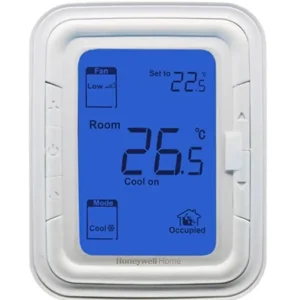
For example, an AC thermostat must be compatible with the air conditioning system it controls. Smart features alone do not guarantee compatibility with an existing installation.
Safety tip: Electrical installation and modification should be carried out by appropriately qualified professionals. Never select a product solely because its appearance or dimensions match an existing component.
G. Flooring and Wall Finishing Materials
Flooring and wall finishes influence a property’s appearance, usability, cleaning requirements, and maintenance needs.
Popular options include:
- Ceramic tiles
- Porcelain tiles
- Natural stone
- Vinyl flooring
- Laminate flooring
- Decorative wall panels
- Skirting and finishing accessories
Each material has different characteristics. For example, natural stone may require specific sealing and maintenance, while some vinyl products are designed for particular moisture and substrate conditions.
When selecting flooring, consider foot traffic, slip resistance, moisture exposure, cleaning requirements, and installation method.
Also check whether the substrate needs levelling, moisture testing, or additional preparation before installation.
H. Bathroom and Interior Decoration Materials
Interior finishing products can help improve the appearance and functionality of residential and commercial spaces.
Examples include:
- Bathroom mirrors
- Vanity accessories
- Bathroom fittings
- Decorative hardware
- Cabinet handles
- Interior finishing accessories
- Selected lighting and decorative products
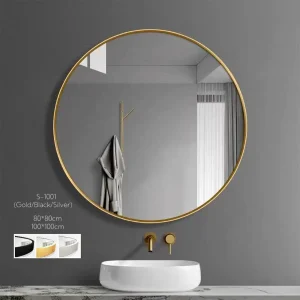
When buying bathroom mirrors, check the dimensions, mounting method, frame material, and suitability for the intended environment.
For LED mirrors, also consider the power requirements, installation arrangement, and electrical safety specifications.
For cabinet handles and other decorative hardware, confirm dimensions, fixing positions, material, and finish before ordering.
Buying tip: Measure the installation area carefully and compare the product dimensions with your available space.
3. How to Choose the Right Building Materials for Your Project
Selecting building materials involves more than comparing prices. The best choice should meet the project’s functional requirements, installation conditions, and budget.
Step 1: Identify Your Project Requirements
Start by defining the work you intend to complete.
Are you renovating a bathroom, installing new flooring, repainting a villa, replacing plumbing components, or carrying out a larger construction project?
A clear scope helps you identify which products are needed and which specifications matter most.
Step 2: Check Product Specifications
Read the product description and technical data sheet before purchasing.
Depending on the material, you may need to check:
- Dimensions and quantity
- Material composition
- Application method
- Surface compatibility
- Strength or performance ratings
- Water and temperature resistance
- Installation and curing requirements
- Applicable approvals and certifications
If the product will be used in a regulated or technically demanding application, confirm that it meets the relevant project specifications and local requirements.
Step 3: Consider UAE Climate and Site Conditions
The UAE experiences high temperatures, strong sunlight, and seasonal humidity. Some locations and applications also involve significant moisture exposure.
However, not every building material needs the same level of heat or moisture resistance.
For outdoor coatings, consider UV and weather exposure. For bathrooms, select products appropriate for wet-area use. For exterior tiling, check whether the adhesive and complete installation system are suitable for the actual exposure conditions.
Always follow the manufacturer’s guidance for storage, transportation, application temperatures, and curing.
Step 4: Compare Quality, Performance and Price
The lowest-priced product is not necessarily the most economical option.
A suitable material may offer better durability, easier installation, lower maintenance requirements, or reduced waste over time.
Compare products based on their specifications and intended use rather than price alone.
For example, when comparing tile adhesives, consider the tile type, substrate, application conditions, and required performance level.
For paints, compare coverage, finish, surface preparation, and the number of coats required.
Step 5: Calculate the Required Quantity
Estimating the correct quantity helps reduce unnecessary purchases and project delays.
For flooring, wall finishes, and similar materials, measure the area and follow the manufacturer’s coverage information.
A basic calculation is:
Required quantity = Total project area ÷ Coverage per unit
For example, if a product covers 5 square metres per unit and your measured area is 50 square metres, the theoretical requirement is 10 units.
Actual requirements may be higher due to surface conditions, installation methods, wastage, or product-specific recommendations.
For tiles, additional material may be needed for cutting, patterns, and future repairs. The allowance depends on the layout and installation requirements.
For products sold by weight, volume, or individual pieces, use the appropriate unit of measurement rather than relying on square-metre calculations.
Step 6: Confirm Compatibility with Existing Materials
Compatibility is particularly important when renovating an existing property.
Before buying, confirm that the new material is suitable for the existing substrate, fittings, pipes, electrical system, or finish.
For example:
- Check whether tile adhesive is suitable for the existing substrate.
- Confirm that replacement plumbing fittings match the connection type.
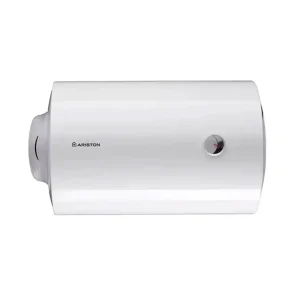
- Verify that a replacement water heater meets the installation requirements.
- Check whether a thermostat works with the existing AC control system.
- Confirm that a primer and paint are suitable for the surface being coated.
When uncertain, consult the product manufacturer or a qualified installer.
Step 7: Check Delivery and Availability
For online purchases, confirm product availability, delivery coverage, estimated delivery times, and any special handling requirements.
Large, heavy, or fragile materials may have different delivery arrangements from small hardware products.
If your project has a fixed schedule, order essential materials early enough to allow for delivery, inspection, and any necessary exchanges.
4. Common Mistakes to Avoid When Buying Building Materials
Avoiding common purchasing mistakes can help prevent additional costs and installation problems.
1. Choosing products based only on price
A cheaper product may not meet the technical requirements of your project. Compare specifications and suitability before making a decision.
2. Ignoring the manufacturer’s instructions
Even a suitable material can perform poorly if it is applied incorrectly or used outside its recommended conditions.
3. Buying incompatible products
Adhesives, primers, waterproofing products, fittings, and electrical components must be suitable for their intended applications.
4. Underestimating quantities
Incorrect measurements can lead to shortages, delays, or excess material. Measure carefully and allow for project-specific wastage.
5. Ignoring storage requirements
Some building materials can be affected by moisture, excessive heat, damaged packaging, or improper storage. Follow the manufacturer’s storage instructions.
6. Forgetting installation accessories
A project may require primers, grout, sealants, fasteners, connectors, tools, or other compatible accessories in addition to the main product.
7. Ordering without checking dimensions
For mirrors, fittings, hardware, and replacement components, confirm measurements and connection details before purchasing.
5. Where to Buy Building Materials Online in the UAE
Buying building materials online can make it easier to compare product specifications, review available options, and organise purchases for construction or renovation projects.
When choosing an online supplier, look for clear product descriptions, accurate specifications, transparent pricing, and accessible customer support.
It is also helpful to check stock availability, delivery arrangements, warranty information where applicable, and return conditions before placing an order.
HardwareMart.ae provides an online destination for customers looking for building materials, hardware, and interior decoration products for their projects.
Whether you are a homeowner completing a small improvement, a contractor sourcing supplies, or a property maintenance professional purchasing replacement components, start by identifying your requirements and comparing suitable products.
Explore the available categories at HardwareMart.ae to find products relevant to your construction, renovation, and home improvement needs.
6. Building Materials Checklist for Home Renovation
Before ordering materials, use this checklist to prepare for your project.
| Project Area | Materials to Consider |
|---|---|
| Bathroom renovation | Waterproofing products, tile adhesive, grout, plumbing fittings, mirrors and bathroom accessories |
| Kitchen renovation | Tile adhesive, grout, plumbing fittings, paint and finishing accessories |
| Flooring installation | Flooring materials, suitable adhesive or underlay, grout where required, skirting and finishing products |
| Wall painting | Paint, primer, surface preparation materials, rollers, brushes and masking supplies |
| Plumbing repairs | Compatible pipes, fittings, valves, connectors and replacement components |
| Electrical upgrades | Suitable switches, sockets, accessories and compatible control products |
| General repairs | Fasteners, sealants, hand tools and appropriate repair materials |
| Interior upgrades | Mirrors, cabinet hardware, decorative accessories and finishing products |
The materials required will depend on the scope of work, existing conditions, and the installation method.
For complex renovation projects, prepare a detailed bill of quantities with the help of your contractor or relevant specialist.
7. Frequently Asked Questions About Building Materials in UAE
What are the most commonly used building materials in the UAE?
Common materials include cement, concrete, masonry products, tile adhesives, waterproofing systems, paints, plumbing fittings, electrical accessories, flooring, and interior finishing products. The materials required depend on the project and its specifications.
How do I choose quality building materials?
Check the intended application, technical specifications, compatibility, performance requirements, manufacturer instructions, and relevant approvals. Compare products based on suitability and expected service life rather than price alone.
Where can I buy building materials online in the UAE?
You can explore online suppliers such as HardwareMart.ae for building materials, hardware, and interior decoration products. Check individual product pages for current availability, specifications, prices, and delivery arrangements.
Which tile adhesive is suitable for UAE projects?
The correct adhesive depends on the tile type, size, substrate, installation location, and exposure conditions. For porcelain tiles, large-format tiles, wet areas, or exterior installations, check the product’s technical data sheet to confirm suitability.
What waterproofing materials are used in bathrooms?
Depending on the application, bathroom waterproofing may involve liquid-applied membranes, cementitious coatings, joint treatments, and compatible accessories. The complete system should be appropriate for the substrate and intended exposure.
How can I reduce building material costs?
Measure accurately, compare specifications, purchase suitable quantities, plan deliveries, and avoid buying incompatible products. Selecting appropriate materials at the beginning can help reduce waste, rework, and unnecessary maintenance.
Should I buy building materials online or from a physical store?
Online shopping can make it convenient to compare products and order supplies, while a physical store may help when you need to inspect an item before buying. Your choice depends on the product, delivery requirements, project schedule, and the level of technical advice needed.
Conclusion
Choosing the right building materials is essential for successful construction, renovation, and home improvement projects in the UAE.
From cement and tile adhesives to waterproofing systems, paints, plumbing supplies, electrical accessories, and interior decoration products, every material should be selected according to its intended application and technical requirements.
Take the time to compare specifications, calculate quantities, check compatibility, and understand installation requirements before placing your order.
Planning a construction or renovation project? Visit HardwareMart.ae to explore available building materials, hardware, and interior decoration products for your next project.
Thank you, we will keep posting
Repudiandae voluptas omnis voluptatem velit quas aut quia
Thank you Dena
I will send you information
Error voluptatum quam dolore harum. Qui aliquid perferendis aut recusandae iusto. Exeid fuga aspernatur est dolores. Reprehenderit dolor non tenetur aut. Et facilis alias nihil nostrum et Exercitationem perspiciatis qui sit Consequatur vel ut placeat esse aut.
Velit ut voluptas magni autem in cum quidem. Fugit cupiditate velit ad. Sed vel autem itaque libero
Voluptas voluptatem soluta laboriosam dolorem explicabo ut ad molestiae. Esse eum sapiente veniam